Pain Awareness Month. Again.

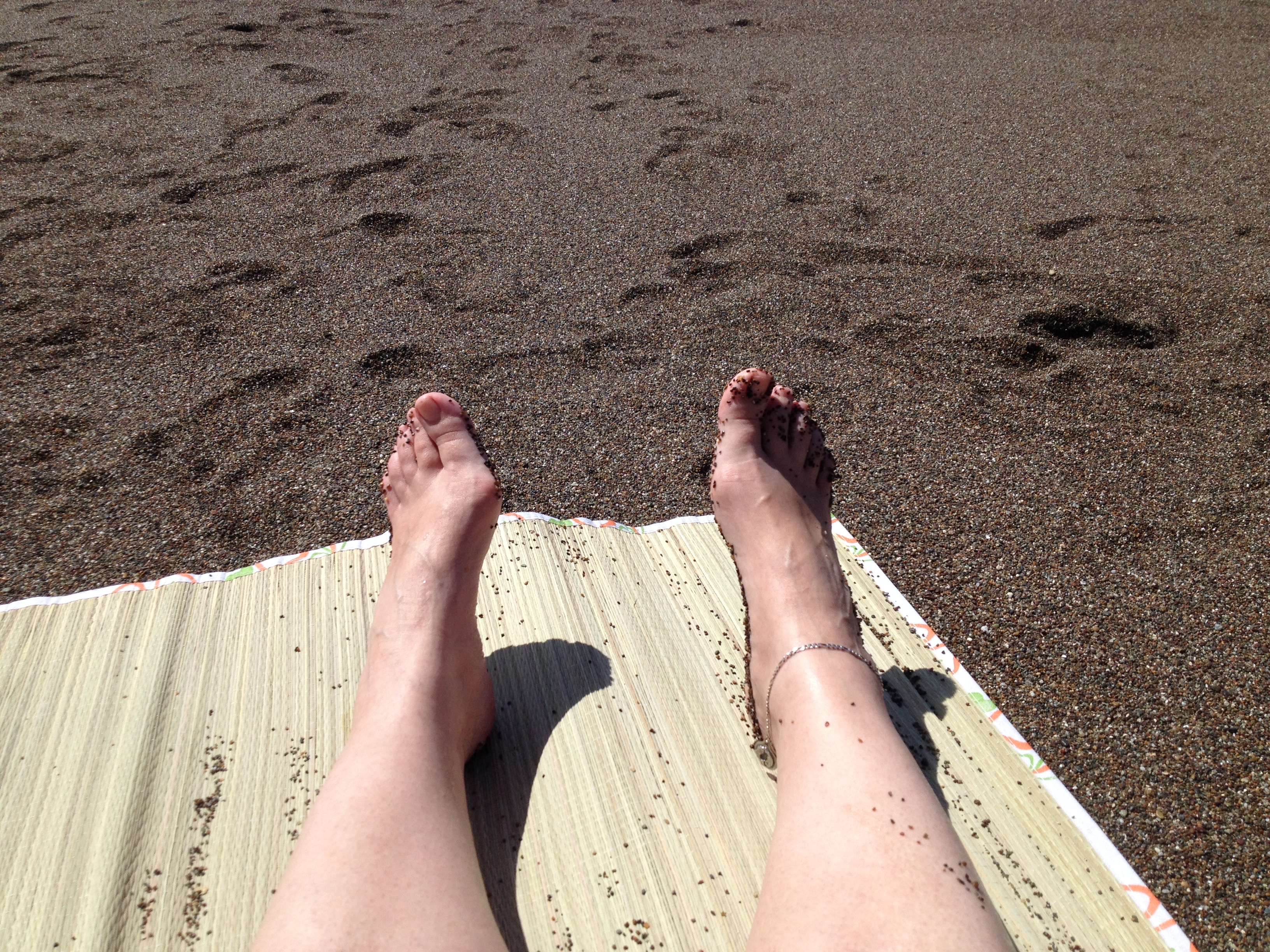
Oahu, June 2025. This is a photo of a woman in pain.

September is Pain Awareness Month.

I wrote about it last year.

I wrote about it in 2023.

I wrote about it in 2022.

I wrote about it in 2021.

I wrote about it in 2020.

You get the idea. 

Each post shares some variation of the same message:

I live with pain. Every. Single. Day. For fifteen years and counting. 

That’s why it’s called “chronic pain.” It’s long-lasting.

You never know what someone is going through just by looking at them. 

Because during those fifteen years, I have lived. I have made new friends. I have written, and published. I have traveled. I have adventured (horseback riding, hot air ballooning, parasailing – twice, zip lining). I have attended Back to School Nights and Open Houses. I have gone grocery shopping and shoe-shopping for my son. I have attended book launch events and Harlem Globetrotter games. I’ve visited museums and beaches. 

I remember meeting with a neurologist, referred to me by my neurologist-at-the-time. She thought this other doctor could look at my medical records and give us a fresh perspective with another set of eyes. 

Instead, this fresh-set-of-eyes-doctor was condescending and rude and mean. Before leaving the exam room he patted my shoulder and told me my pain really couldn’t be all that bad if I truly did all the things I told him I do each day.

And that, right there, is the purpose of Pain Awareness Month.

Those of us living with chronic pain have figured out how to navigate our days while struggling with pain that doesn’t ever completely go away. We have developed work-arounds and shortcuts when possible. We have learned to bite our tongue or clench our fists or whatever it is we do that helps us push past the limit of what we thought our bodies were capable of. 

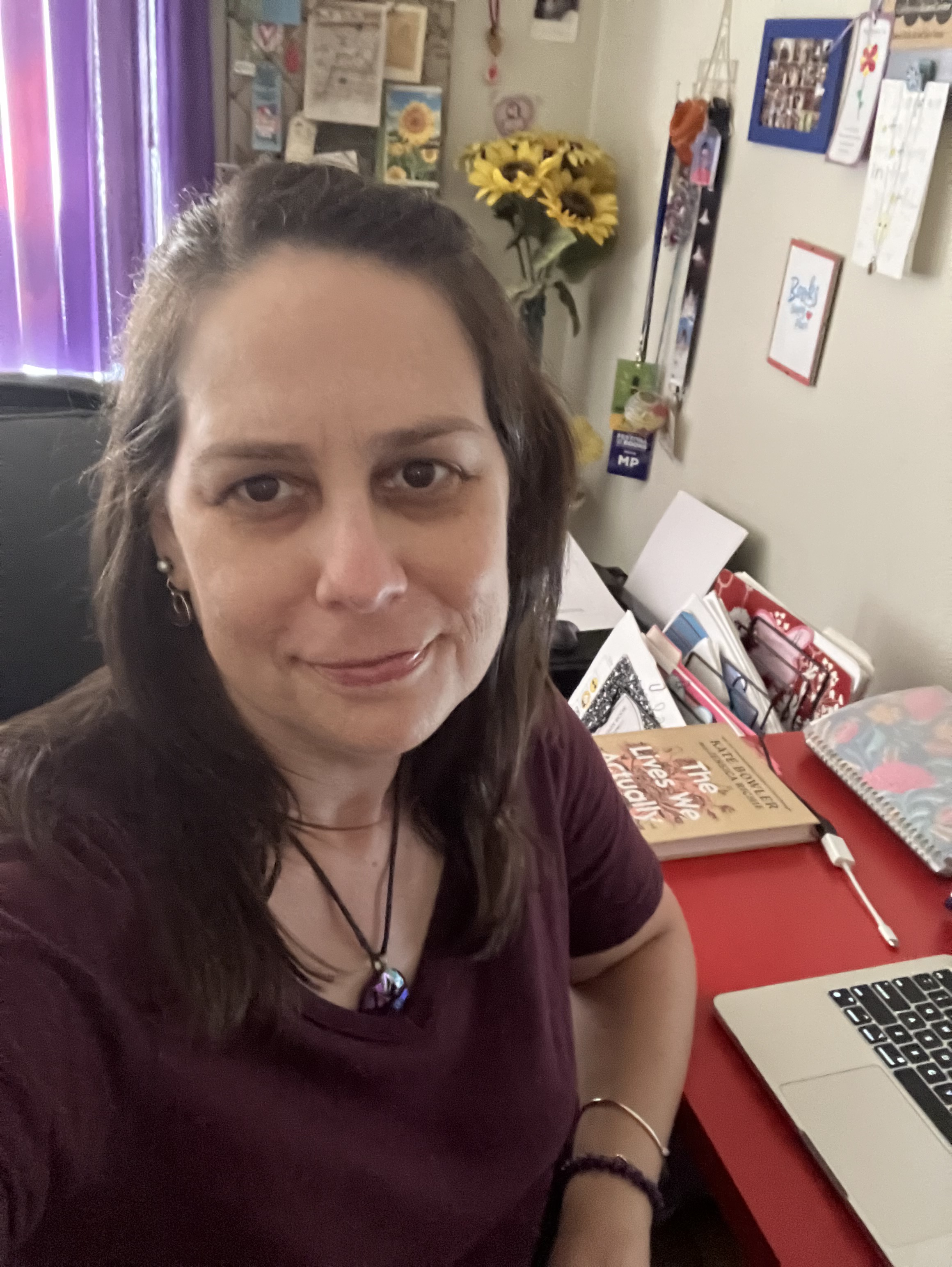
Oahu, June 2025. Same day as the picture above. This is also a photo of a woman in pain. Notice my lips. I often do that when in pain.

Which leads me to this — please, be kind and patient and compassionate toward others. That person walking slowly in front of you could be me. Someone who is walking slowly but it’s the best she can do because each step brings a fresh jolt of pain up and down her leg. 

Or maybe it’s someone whose stomach hurts. Or their head. Or their back. Or their feet. Or their shoulder. Or their elbow. 

I could go on, but you get the idea. 

And, one more thing – this year, I wanted to end the post introducing you to an alternative way to talk about pain. Most of us have experience with the (dreaded) pain scale that depicts faces on a 1-10 scale. And if you haven’t had personal experience with this scale (wonderful for you!), it’s most likely you’ve seen it hanging on the wall in an exam room.

Christina Irene, a hidden disability advocate, speaker, and author, has developed what she calls the “Splat” system. As she writes, “Splat is a system of communication for people with chronic illnesses, mental health diagnoses, and other hidden disabilities. Our conditions are often a ‘moving target,’ meaning we never know how we’re going to feel from one day to the next. The one certainty is: Every day, we feel like we’ve been run over by something.” Check out her website where she has a whole page dedicated to the Splat system, with resources you may find helpful.
Pain Awareness Month

You can't see my pain, but it's there.

September is Pain Awareness Month. It’s a topic I have written about before: 

In 2020, I wrote about how common it is for my pain to fluctuate, which is why I so dislike the traditional 1-10 pain scale.

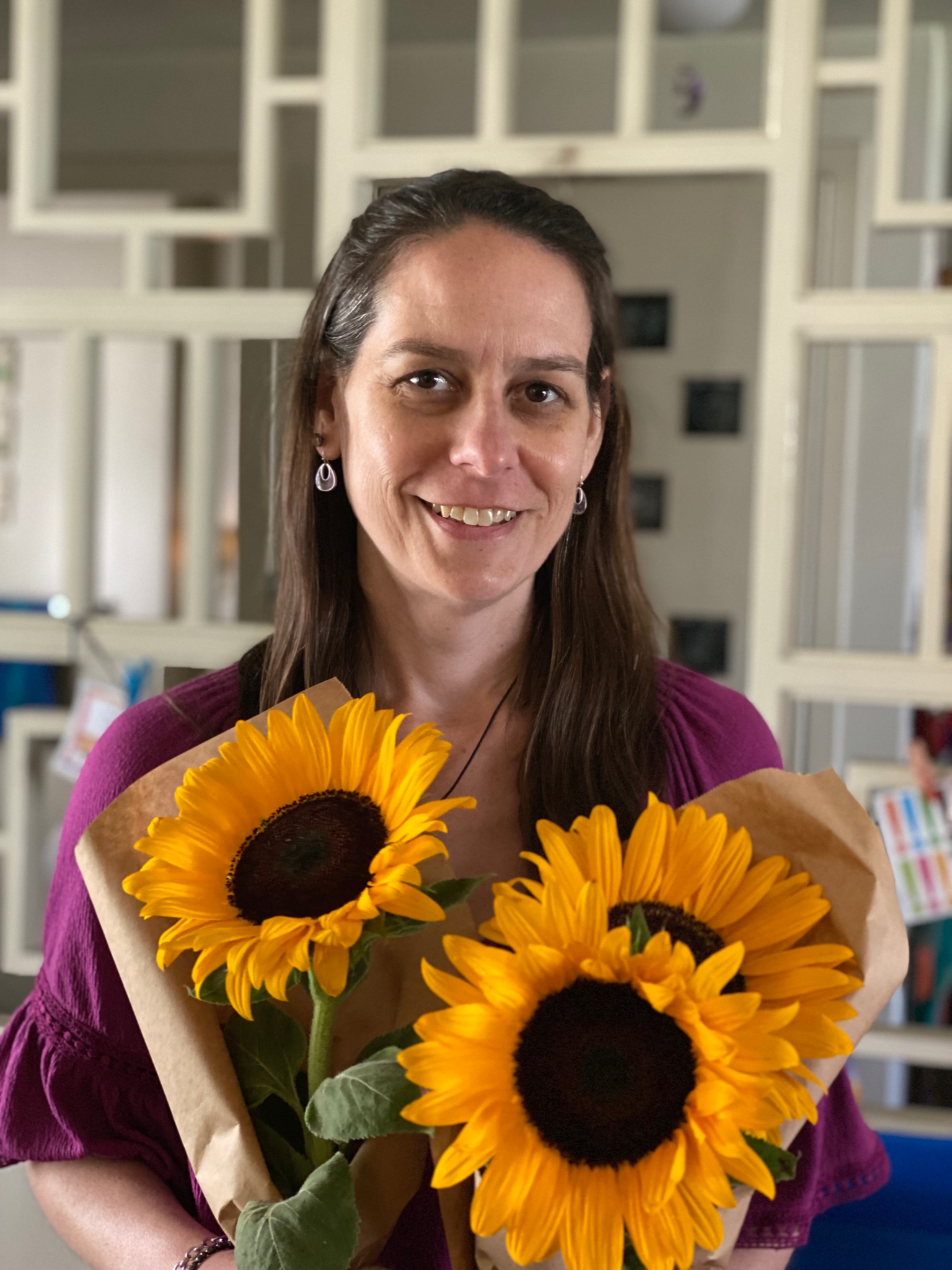
In 2021, I again wrote about the difficulties in using a traditional pain scale to describe my chronic pain. (Plus, this post has one of my favorite pictures of myself – because I’m holding a bunch of bright, beautiful sunflowers – my favorite flower, and because that photo makes me think back to that fun family day.)

In 2022, I wrote about the randomness of my pain; the fact that I can sit and watch my son at his first Rubik’s Cube Competition and out-of-nowhere suddenly need to step outside because of an intense leg cramp.

In 2023, my son inspired my Pain Awareness Month blog post (as he’s inspired many of my blog posts and personal essays over the years).

Which brings us to this year’s post:

For the last year or two, each time I see my rheumatologist I have told him how much I struggle to get through my day. I have given him concrete examples to demonstrate that my chronic pain has worsened, my energy levels have lowered, and my fatigue has increased. I have told him that my current pain medications were not enough, yet he refused to alter my dosage or prescribe anything else. Finally, he referred me to a pain management doctor. (This isn’t the first time I’ve seen a pain management doctor, but it is the first time I have been seen by this particular doctor.)

At the first appointment with the pain doctor, back in April of this year, I walked in with a fair amount of skepticism. How many times have I had to share my story over the years? How many times have I tried to convince doctors that regardless of how I look or how much I tell you I still do each day, I am in considerable pain every single day? I didn’t want to have to sell myself, convince this new doctor that my pain was worsening, that my list of activities I could no longer do was growing, and I was scared because I truly didn’t think my current lifestyle was sustainable.

Something completely unexpected happened during that April appointment — after reviewing my in-take forms and my current medications, the doctor looked up from my chart and looked right at me. 

“You’re not on the right medication. What you’re taking now isn’t going to help with the kind of pain you’re describing. You definitely need something stronger,” he said. 

I was momentarily shocked. Cue the party favors and the large round of applause. The doctor’s statements, his belief in me and my pain, were huge. My chronic illness friends reading this know that this is not always the way a doctor’s visit goes. 

Since that first appointment, we’ve tried different medications and different dosages, and I think we’re getting closer to finding the right combination for me. 

At the same time, the doctor has been honest with me. 

“Nothing is going to completely get rid of your pain. The goal is to bring your pain levels down. Way down,” he said.

We’re working on it. 

So this year during Pain Awareness Month, if I may, I offer this suggestion — believe someone when they tell you about their pain. You cannot always see pain. You don’t always know what someone is going through or dealing with simply by looking at them. So give them the benefit of the doubt. Treat everyone with a bit more patience and care. Because whether it’s physical pain or mental pain, chronic pain or temporary pain, everyone is dealing with something.

It’s Pain Awareness Month

This picture was taken in July 2023, when our family was in Washington, D.C. I was super excited to explore the National Air and Space Museum, a museum I had wanted to visit since I was an elementary school student. And if you look closely, you’ll see I’m using my rented wheelchair as a walker. I didn’t cancel this trip because of my pain, because for me, that was “not an option.” (Taken from the famous words “Failure is not an option” spoken by Gene Kranz during the Apollo 13 Mission.)

September is Pain Awareness Month.

I’ve written about Pain Awareness Month before, last year in 2022 and back in 2021

This year, though, I don’t know what I can write that is new or offers a fresh take on chronic pain. I think that’s largely because I have been trying to deal with increasing pain. Basically, my pain is worse — in intensity and in location. (For many years, pain was limited to my left calf. That is no longer the case. Now, it’s my left calf, my left thigh, both knees, and since about two weeks ago, my left foot.)

This could very easily be a glass-is-half-empty type of blog post. 

But it’s not.

Because my son (now a sophomore in high school) shared something with me the other day that I think is defining worth writing about here.

On the drive home from school, my son told me about what he had to do that day during his Physical Education class. The laps around the track he ran. The stadium stairs he had to climb up and down, up and down, multiple times. 

By the time class was done, he was super uncomfortable. Sweaty. Slightly out of breath. All of which is to be expected.

“I know it’s not the same thing, but my knees were really hurting. It was hard to get dressed and then climb the stairs to my next class. And it made me think that this must be like what it is for you. But like, all the time,” he said. 

And I think my son’s comments truly illustrate the concept of Pain Awareness. No one can ever truly know my pain, but me. But this connection my son made, this attempt at putting himself in my shoes, was a beautiful gift he gave me. 

Pain Awareness Month

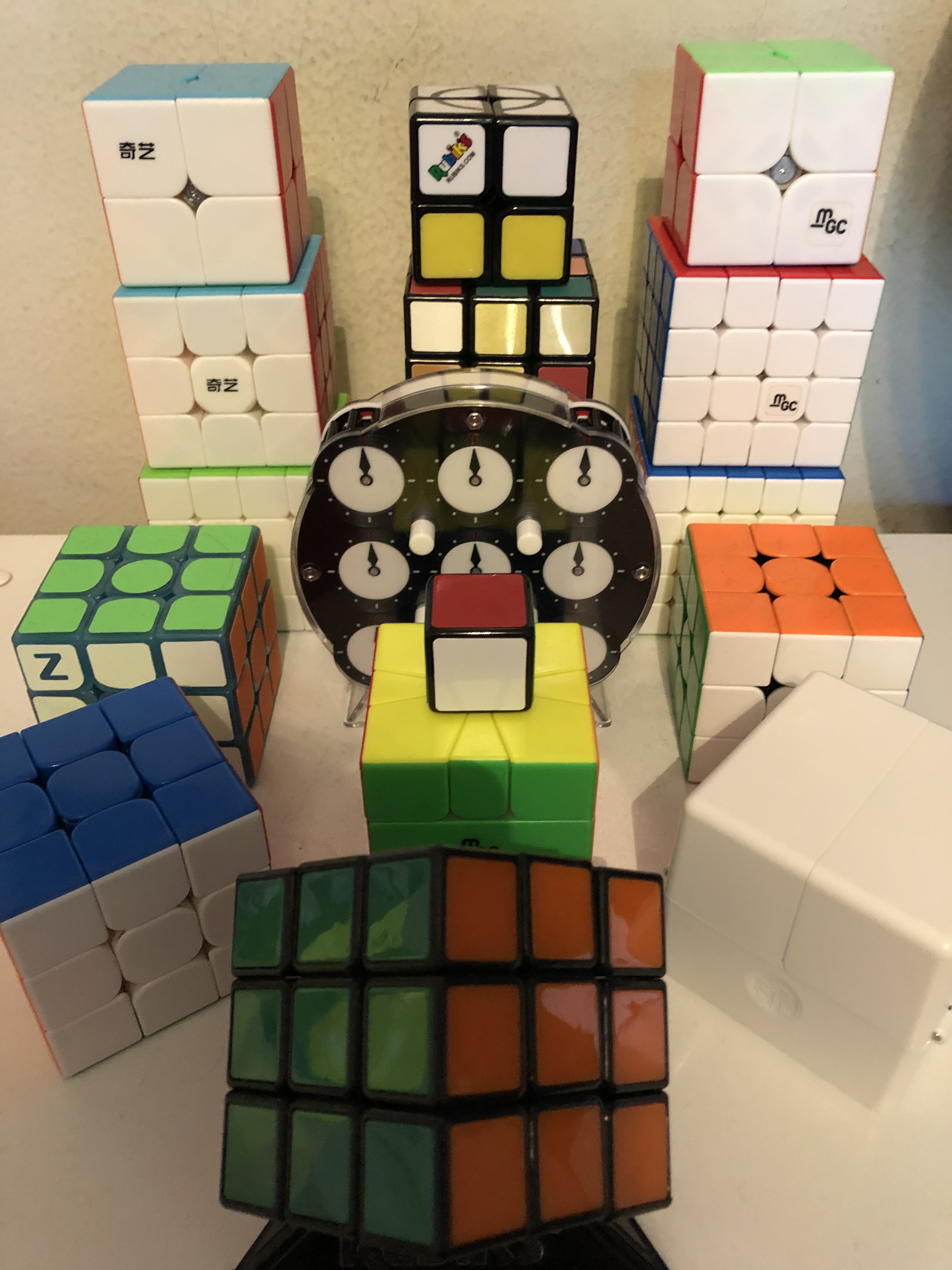
(Just a few of my son’s cubes)

September is Pain Awareness Month.

Which kind of feels like a joke. Because, I have a close-and-personal relationship with pain. I am very aware of pain — every month of the year. 

Pain is a part of me — night and day. Weekdays and weekends. It doesn’t even take major holidays off. 

My pain is commanding and assertive. It does what it wants to do, and it doesn’t care if I’m in the privacy of my home or walking to my neighborhood Coffee Bean. 

Or at my son’s Cubing Competition. 

About a year ago, my son became interested in Rubik’s Cubes after watching one of his very good friends solve them. (Who knew there were so many cubes? Some of them aren’t even cube shaped!) This past Saturday, my son participated in his first Cubing Competition which involved five different events. 

The competition was held in a high school gymnasium about an hour away from home. Our family didn’t know exactly what to expect, because since this was our son’s first experience competing, it was the first time my husband and I were spectators at such an event.

There’s a lot of sitting around — on bleachers.

Then there’s a lot of standing and moving around so we could get a good view of our son cubing which would then make for good photos and good videos. 

And that’s when my pain decided to make a grand entrance. During one round, and thankfully my son wasn’t competing at the time, I felt like my leg was about to buckle under me. A strong muscle cramp gripped my left thigh. 

This was new for me. Usually cramps hit me in my left calf. And usually they happen at home. Just a few weeks ago, I had a cramp in my calf during my virtual appointment with my therapist. Sometimes cramps wake me from sleep. At home, I can cry and bang the mattress, bite on the blanket in an attempt not to wake my son. 

But we were at a high school gymnasium, with about 100 participants and their families. My husband and I went outside and found a bench. I couldn’t sit without excruciating pain, I couldn’t stand and stretch without feeling like I was going to fall. I couldn’t walk it off or massage it away. And I couldn’t cry or make a scene, because there were a few other parents outside on their phones and dealing with younger siblings. And, most importantly, my son was inside waiting for us. 

I was very aware of the time, knowing my son’s next round was happening very soon, and I certainly wasn’t going to miss it because of a cramp. 

My husband and I went back inside. Underneath my double masks, I pursed my lips. I tried to take deep breaths and tried to calm myself down. 

I tried to focus on the moment and watch nearby competitors as my son waited his turn. But I had a hard time standing and had to lean heavily on my husband. 

I was aware of my pain. Very aware of my pain. 

And that’s probably one of the hardest things about my Undifferentiated Connective Tissue Disease. The randomness of it. The fact that I never quite know how I’ll be feeling from one day to another. Or in Saturday’s case, from one hour to another. 

As my therapist and I have talked about, the only thing predictable about my autoimmune disease is its unpredictability. 

In my life, Every Month is Pain Awareness Month.

It’s Pain Awareness Month

(You can’t tell from this photo, but I was in a lot of pain. But it was a great day! My family and I had enjoyed a fun family outing – which included a couple of hours in the car as well as an hour-plus of walking. And, I got these beautiful sunflowers – my favorite flower! So there were lots of reasons to smile. But my leg h-u-r-t!)

September is Pain Awareness Month.

It’s gotten to the point where I refuse to answer a nurse when he/she asks me, “What’s your pain level like on a scale of 1-10?”. (Just so you know, I don’t ignore the nurse. I simply explain I can no longer answer that question.)

I used to really try to answer. I’d look at the range of faces and short descriptions under the illustrations and try to figure out where I fit on that scale. 

But now I realize there’s no point. My pain level can change from day-to-day, hour-to-hour, minute-to-minute. 

And sometimes, many times, my pain level is irrelevant. It doesn’t matter how much pain I’m in. If it’s 3:00 on a weekday, then that means I need to pick up my son from school – regardless of how I feel. It’s non-negotiable. 

I rarely let pain stop me from doing my daily activities. Because if I did, I wouldn’t do anything most days — at least lately. (The pain has been off-the-charts the last few weeks which means more doctors appointments and changes to my medications.)

But also, I wonder what long-term pain does to me — my body and my mind? I’ve been dealing with UCTD since 2010 (even though I didn’t know it was until my diagnosis in 2011). Ten years of pain has to warp your perception of discomfort. A “5” on my scale, I’m sure would be at least a “9” on my husband’s scale. (This may be a very bad generalization, but at least when it comes to my dad and my husband, they are not as pain tolerant as my mom or I.)

Here’s the other thing about pain. Everyone experiences it. In some way, shape, or form, everyone is dealing with something painful. 

When you stop and think about it, that’s a powerful reminder to pause and really try to remember to treat others with compassion and kindness and patience. 

Because you never know what someone is dealing with simply by looking at them.

Pain Isn’t a Once-a-Year Topic for Me


Sometimes it’s hard to look at my legs with gratitude for all they can still do.


September is Pain Awareness Month, a “time when various organizations work to raise public awareness of issues in the area of pain and pain management.” 

Have you ever seen that 1-10 pain scale? The one doctors show you, with a range of facial expressions? 

I don’t like that scale. And I don’t like being asked to rate my pain. 

I remember a visit to a pain management doctor. During the intake, the nurse asked me to rate my pain, right then in that moment. I refused. 

I’m usually a very compliant patient, obedient and direction-following.

But, let’s face it. After 10 years of living with my autoimmune disease, I’ve gotten really good at pushing through the pain. I have to. As a result, my pain scale most likely doesn’t look the same as yours. What I now consider a 6, my husband would probably classify as a 10. 

Here’s what I can tell you about my pain. It fluctuates. And not just day-to-day. Sometimes hour-to-hour, even minute-to-minute.

In the interest of pain awareness, I thought I’d share just a bit of what my pain is like.

  Sometimes, my left calf is tight. That tight feeling you get before, during, and after a muscle cramp. Except my tightness lingers. For hours.

  Sometimes I don’t have pain. I have a general heaviness. My now twelve-year-old son and I used to play “squish” when he was younger. It was a wrestling-type game that happened either on the floor or on my bed. We’d tickle, but generally he would end up “squishing” me – pinning me with his body. That’s how I feel. Like I’m walking around, cooking dinner, watering my plants, and I have an invisible child strapped across my legs, weighing me down.

  Sometimes I have a throbbing pain. You know that pain you get when you’ve bumped into the sharp corner of a table? You can’t see a bruise, but the area is sore and sensitive and just hurts.

  Sometimes I just hurt. Like I’ve been pricked with needles (and I have been, so I know what it feels like). My calf is sensitive, and I have to roll up my pants so the fabric doesn’t touch my skin.

  Sometimes the pain is rocking-back-and-forth, pulling-at-my-hair kind of pain. Sometimes it just randomly hits. Sometimes I know it’s coming. My calf muscle may begin twitching. On certain occasions, I can even see it moving. It makes me think of when I was pregnant, and my husband and I would joyously watch my stomach move when our son would turn or stretch. There is nothing joyous about this though.

  Sometimes my leg feels twisted somehow. As if someone took my muscle and twisted it, the way you wring out a washcloth. And simple things, like bending to pull something off the bottom shelf of the fridge, or bending down to pick up the mail off the floor, or standing on my toes to reach the colander from the shelf in the kitchen, aren’t so simple for me to do.

And I could go on. 

I don’t want pity. Don’t feel sorry for me. 

Feel compassion and kindness and patience for everyone you encounter. Because you never really know someone else’s pain.