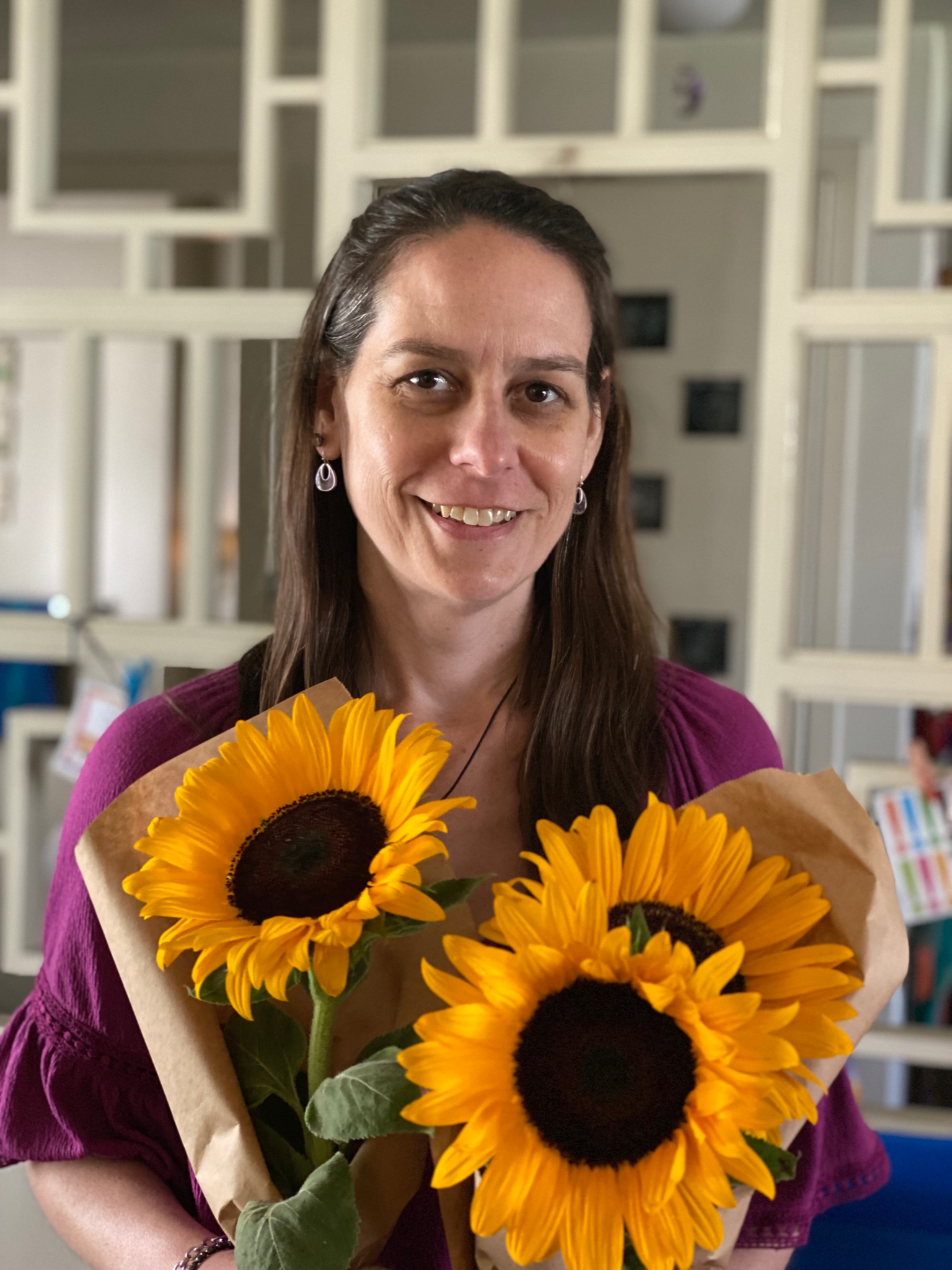
September is Pain Awareness Month.
It’s gotten to the point where I refuse to answer a nurse when he/she asks me, “What’s your pain level like on a scale of 1-10?”. (Just so you know, I don’t ignore the nurse. I simply explain I can no longer answer that question.)
I used to really try to answer. I’d look at the range of faces and short descriptions under the illustrations and try to figure out where I fit on that scale.
But now I realize there’s no point. My pain level can change from day-to-day, hour-to-hour, minute-to-minute.
And sometimes, many times, my pain level is irrelevant. It doesn’t matter how much pain I’m in. If it’s 3:00 on a weekday, then that means I need to pick up my son from school – regardless of how I feel. It’s non-negotiable.
I rarely let pain stop me from doing my daily activities. Because if I did, I wouldn’t do anything most days — at least lately. (The pain has been off-the-charts the last few weeks which means more doctors appointments and changes to my medications.)
But also, I wonder what long-term pain does to me — my body and my mind? I’ve been dealing with UCTD since 2010 (even though I didn’t know it was until my diagnosis in 2011). Ten years of pain has to warp your perception of discomfort. A “5” on my scale, I’m sure would be at least a “9” on my husband’s scale. (This may be a very bad generalization, but at least when it comes to my dad and my husband, they are not as pain tolerant as my mom or I.)
Here’s the other thing about pain. Everyone experiences it. In some way, shape, or form, everyone is dealing with something painful.
When you stop and think about it, that’s a powerful reminder to pause and really try to remember to treat others with compassion and kindness and patience.
Because you never know what someone is dealing with simply by looking at them.


 WendyKennar.com