A Doable Dream

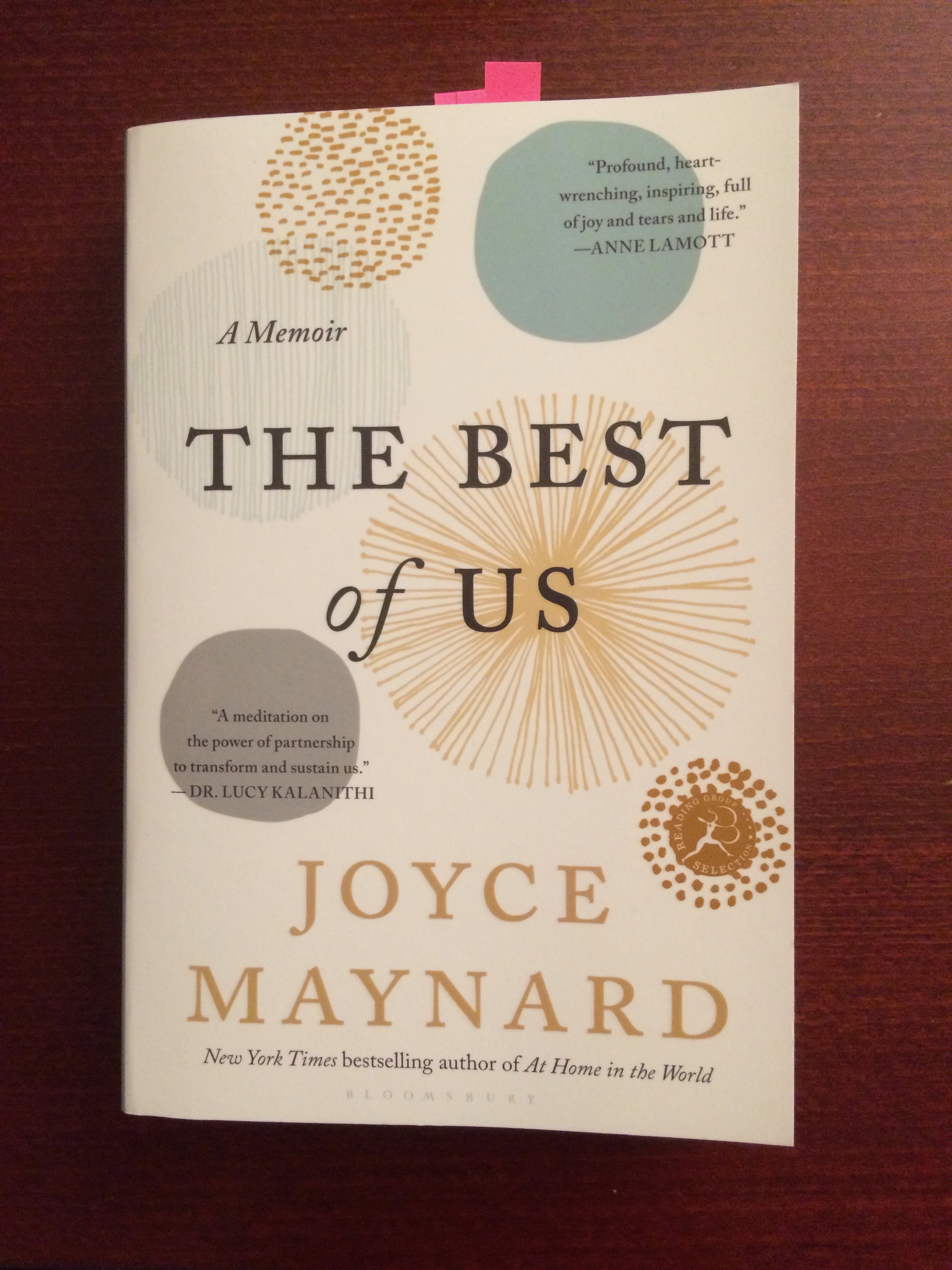
I am in the middle of reading Eric Maisel’s A Writer’s Paris (though we have no immediate plans for a trip to Paris).  I love how Mr. Maisel describes Paris:  You feel at home in Paris because the things that you care about – strolling, thinking, loving, creating – are built into the fabric of the city.

My husband and I first traveled to Paris in the spring of 2005, and along with evoking a desire to return, reading this book has also made me stop and think about the technology we used then compared to what we rely on now.

On that note, I thought it would be fun to share with you some of the ways technology has changed and the ways it impacted our trip.


— During March of 2005, the billboards around Paris were advertising Apple’s newest product, the Shuffle, a product that isn’t even made any more.  Now billboards (at least here in L.A.) advertise the iPhone X.   

— We stayed at a small, but clean hotel in the Opera District.  In addition to complimentary breakfast, the hotel also had a computer in its lobby that guests could use for free.  Of course, we’d have to wait our turn, but once the computer was available, we were able to send emails back to my parents in California.

— At some point during our trip, our 35mm camera broke.  I worried that the film inside would be ruined, and the pictures we had already taken would be forever lost.  And I was heartbroken that we wouldn’t be able to continue taking photos of our trip.

— Our first stop in Paris (after finding our hotel) was the Eiffel Tower.  We marveled at the size, at the number of people, at the elevators taking us up this monument.  (We made it to the second level; the third level was closed due to wind conditions we were told).  And on that second level, we found a pay phone.  It wasn’t easy to figure out, but we did eventually manage to make a phone call from the Eiffel Tower to my parents in Los Angeles.

Back then, my husband and I were both twenty-nine years old.  We explored the city relying on my two years of high school French and a guidebook.  No guided tours and no smartphone.  But we did it.  Because as Mr. Maisel writes, “Paris is a doable dream, and your writing is a doable dream.  Both require the same nurturing and the same attention, the same courage and the same perseverance.

Finding Solace

In the last couple of weeks, there’s been a lot going on in our family.  Nothing I want to share here, but in the midst of it all, I found myself thinking of a book I read a short time back.  So this week, I’d like to share some of the gems I discovered in Elizabeth Berg’s The Year of Pleasures.

Don’t let your habits become handcuffs.”

Some mornings when I read the newspaper, I wanted to weep or pound my fists on the table in frustration.  Some mornings I actually did one or the other.  But museums offered up the other side of humanity: the glory and the grace.”

But it seemed to me that this was the way we all lived:  full to the brim with gratitude and joy one day, wrecked on the rocks the next.  Finding the balance between the two was the art and the salvation.”

I’m not talking about things that happen to you.  I’m talking about things you make happen.  I’m talking about purposefully doing one thing that brings you happiness every single day, in a very conscious way.  It builds up the arsenal.  It tips the balance.”

Oh, nobody understands anything.  We’re all just here, blinking in the light like kittens.  The older I get, the more I see that nothing makes sense but to try to learn true compassion.”


One Step At a Time

The day a stranger told my husband and me we were walking slowly was the same day I found out I’d earned my “Serengeti badge.”

Now let me explain all that.

For my birthday a few months back, a good friend gifted me her Fitbit Alta when she upgraded to a Fitbit Watch.

I wasn’t sure how I felt about this gift, honestly.  On the one hand, I was curious to learn how many steps I take each day.  But I wondered if this new wrist accessory would show I’m not as active as I thought I was, in which case, my levels of pain and fatigue would be even harder to explain.

Turns out, I usually have one day a week (Sundays) when my step count is lowest.  And, I’ve found out that more steps doesn’t always equal more pain.  There are some days when I have walked more than 10,000 steps (our day at the San Diego Zoo comes to mind) when pain was at a high.  But there are other days, when pain is quite intense and I’ve taken about 6,000 steps.

Walking is my main form of exercise and during the school year, I arrive near my son’s school at least twenty minutes before his dismissal, park my car, and walk through the neighborhood at what I consider a leisurely pace, but apparently what others consider slow.

The other day, my husband and I were strolling hand-in-hand when a resident of a home we walked by was out front and commented that we were walking slowly.  (This isn’t the first time someone has told us that.  You can click here to read my blog post “Change” for more on that story).   

We continued walking, but once we turned the corner, my tears dripped below my sunglasses.  If I walked with a cane, I doubt this man would have commented on my speed.  But because I live with an invisible disability, my pain and struggles are not evident to others.

Then later that same day, I received an email telling me I’d earned my “Serengeti badge”  — meaning I’ve walked 500 miles, the same distance as the Serengeti according to Fitbit.  (Though to be honest, I did wear a Fitbit for a while a few years ago, and I think my new badge is the result of the combination of my old and new miles).

In any event, I think 500 miles is pretty impressive.  500 miles of walking.  Even when I’m hurting.  Even when I don’t feel like walking.  Even when I’m walking slowly.


I’ve Been Thinking

For my birthday, a good friend gave me Maria Shriver’s new book I’ve Been Thinking…

And a lot of what Ms. Shriver was thinking and writing really resonated with me.  Here are a few gems I’d like to share with you:

So today, start where you are – not where you wish you were, but where you are.  The future isn’t here.  This day offers each of us a chance to be the person we want to be.  Not the person we wish we had been yesterday or want to be tomorrow, but the person we already are.”

I’ve learned that living in either the past or the future keeps me up in my head, out of reality, robbing me of the present.”

“It takes courage to push up against the way it is or the way it has been.  It takes courage to push back and be creative with the gift of life.  But that’s exactly what building a life of our own requires: thinking outside the box, being creative, being flexible, facing the fear of the unknown, stepping into it, and being willing to start over.”

“You never know how your story might inspire another.  Share what you wish, save some just for you, and always remember to keep adding new chapters as you go along.”

And these quotes were not written by Ms. Shriver, but she did include them in her book:

I am not what happened to me.  I am what I choose to become.  — Carl Jung

What you’re supposed to do when you don’t like a thing is change it.  If you can’t change it, change the way you think about it.”  — Maya Angelou


When Is A Child Old Enough For the Front Seat?

Not this kind of driving — yet. Photo taken at the Petersen Automotive Museum.


At my son’s last physical, I only had one question for his pediatrician:  “What’s the rule about riding in the front seat of the car?”

As it turns out, what my son’s pediatrician recommends and what the state of California deems legal are not the same thing.

You can read about it on MomsLA, by clicking here to read my essay, “When Is A  Child Old Enough For the Front Seat?”

The Words I Use to Describe My Autoimmune Disease

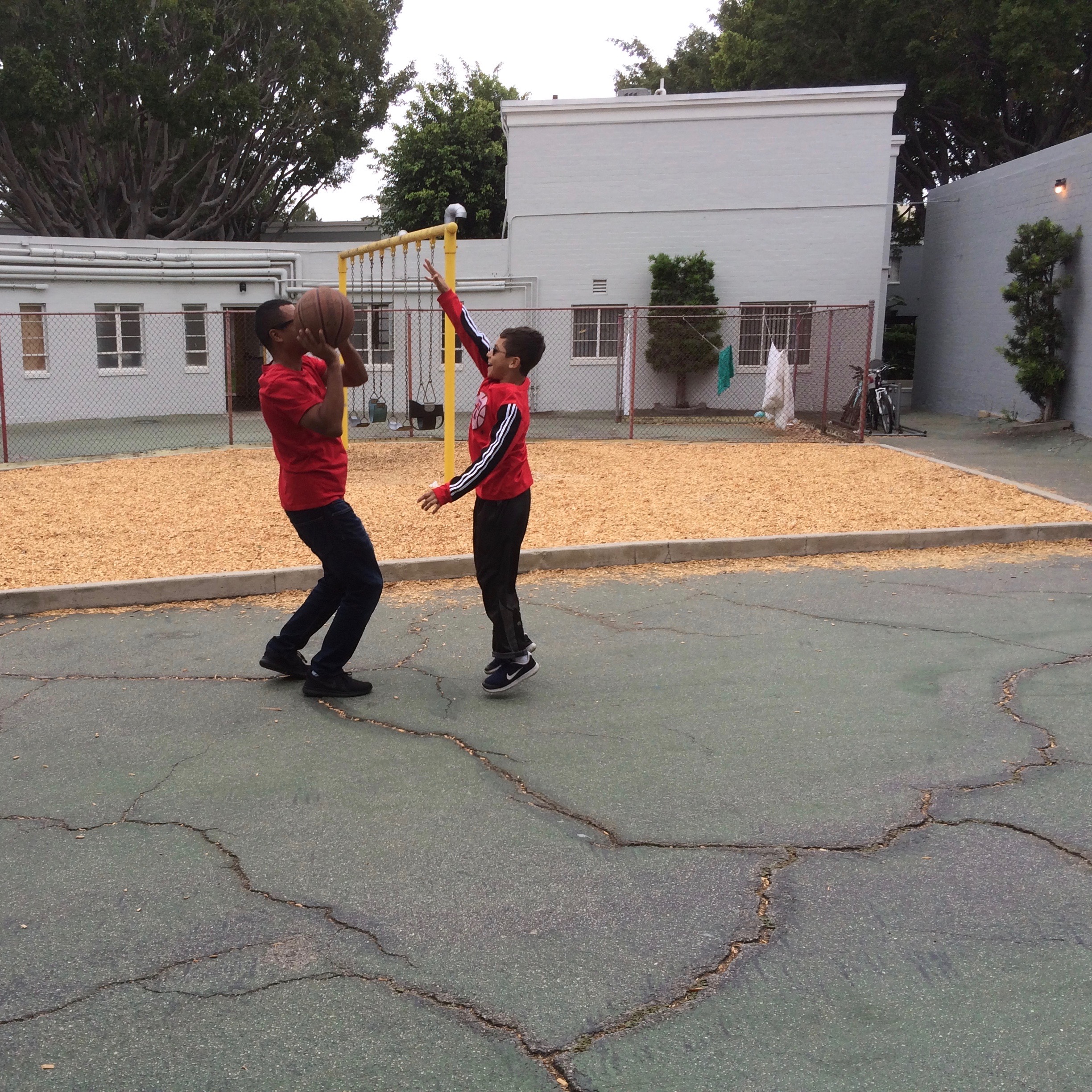
My son and I playing handball


I gained a reputation after teaching for a number of years.  I was kind.  Organized.  Structured.  Calm.  Patient.  Loving.

And even though I’m no longer teaching, those adjectives still apply. 

But there’s another side of me.  The side that is sometimes so frustrated, so beaten-down that I feel like channeling Bill Murray’s character in What About Bob? and letting out a long tirade of curse words.  And while I don’t let myself go to that extreme, it still isn’t easy to deal with daily pain and stay calm. 

Instead, I write about it.

Click here to be re-directed to The Mighty to read my latest personal essay, “The Words I Use to Describe Life With an Autoimmune Disease.”

Ellen: A Role Model for Our Family

Even with YouTube available, we still enjoy watching this DVD collection!

Readers,

Here are three fun facts you may not know about me:

  1. I’ve never learned to whistle.  (My students always got a big kick out of this!)
  2. When I was in the sixth grade, I was our school’s Student Council President and was on a very early morning show that aired on what used to be called KCOP.
  3. We use rabbit ears on the rare occasion we watch TV in our home.

I bring up the rabbit ears, because even though we don’t watch a lot of TV, our family does have a favorite television personality.  Ellen DeGeneres.

You can click here to read my recently published essay “10 Reasons Why Watching Ellen Is Good For My Son.

Who is your favorite television personality?  Feel free to share in the comments section!

The Lost Art of Cursive Writing

My son has about a month-and-a-half left of fourth grade.  So if it hasn’t happened by now, I doubt it will happen at all.

And by “it,” I mean learning to write in cursive.

When I taught fourth grade, my students had already learned the basics of cursive the year before in third grade.  We continued to practice, because practice makes better, and I did require some of their assignments to be completed in cursive writing.

Last year, my son didn’t learn cursive writing in third grade.  So during last year’s summer vacation, I spent time with my son, teaching him how to write his first name in cursive.  He writes it beautifully. 

But we still have the rest of his name to learn, the rest of the alphabet to practice.  That will happen during this year’s summer vacation.

Click here to read an essay I wrote several years ago for MomsLA.com titled “The Value of Teaching Cursive.”

Spring

The Flower Fields at Carlsbad Ranch, March 2018

Here in Los Angeles, we don’t have seasons the same way other parts of the country have seasons.  But when I asked my ten-year-old son to name his favorite season, he told me it was spring.  When I asked him why, he said, “Because it’s my birthday.  And because it’s the best weather.  Not too anything.”

I knew what he meant.  Generally, spring is the “not-too-hot and not-too-cold” season.  And my son’s birthday (which is the same day as my mom’s birthday) lands in the  spring.

This year, though, was different.  This year, my son turned 10!  And while his birthday was a great spring day, there were plenty of dreary winter-like thoughts invading my mind.  It prompted me to write “When Dismay About My Illness Keeps Me Stuck in a ‘Winter-Like’ Mindset” which you can read on The Mighty by clicking here.  (And please don’t forget to share it on social media).

Eat Cake

I wanted a guaranteed feel-good type of book to read so I turned to my bookcase and selected Jeanne Ray’s Eat Cake.  I vaguely remembered the storyline, so I knew I would enjoy re-visiting these characters.  What I hadn’t anticipated was just how much I enjoyed the book, and how much I learned from it.

Here are a few passages that really resonated with me:

Cakes have gotten a bad rap.  People equate virtue with turning down dessert.  There is always one person at the table who holds up her hand when I serve the cake.  But that isn’t a person with discipline, that is a person who has completely lost touch with joy.  A slice of cake never made anybody fat.  You don’t eat the whole cake.  You don’t eat a cake every day of your life.  You take the cake when it is offered because the cake is delicious.  You have a slice of cake and what it reminds you of is someplace that’s safe, uncomplicated, without stress.  A cake is a party, a birthday, a wedding.  A cake is what’s served on the happiest days of your life.

My mother was a teacher, and when I say that, I don’t simply mean it was the way she made her living.  She was a teacher in her soul and found that inside every action there was the opportunity for instruction.”

Nobody likes to think they need to be rescued and everybody is grateful when it happens.”

It was worth everything, that moment, that song.  It did the very thing that music can do when it is at its best:  It elevated us and healed us and showed us how to be our better selves.”

I never knew that people could be afraid of good news too.  I realized that good news took you places you didn’t know anything about.  It changed everything as much as bad news did.” 

Everything changes.  Sometimes when your life has been going along the same way for a long time you can forget that.  You think that every day is going to be the same, that everyone will come home for dinner, that we will be safe, that life will roll along.  Sometimes the changes are the kind you can’t do anything about: Someone gets sick, someone dies, and you look back on the past and think, Those were the days of my happy life.  But other times things change and all you have to do is find a way to change with them.  It’s when you stay in exactly the same spot when everything around you is moving that you really get into trouble.  You still have a chance if you’re willing to run fast enough, if you’re willing to forget everything that you were absolutely positive was true and learn to see the world in a different way.