It’s My Illness, Not Me

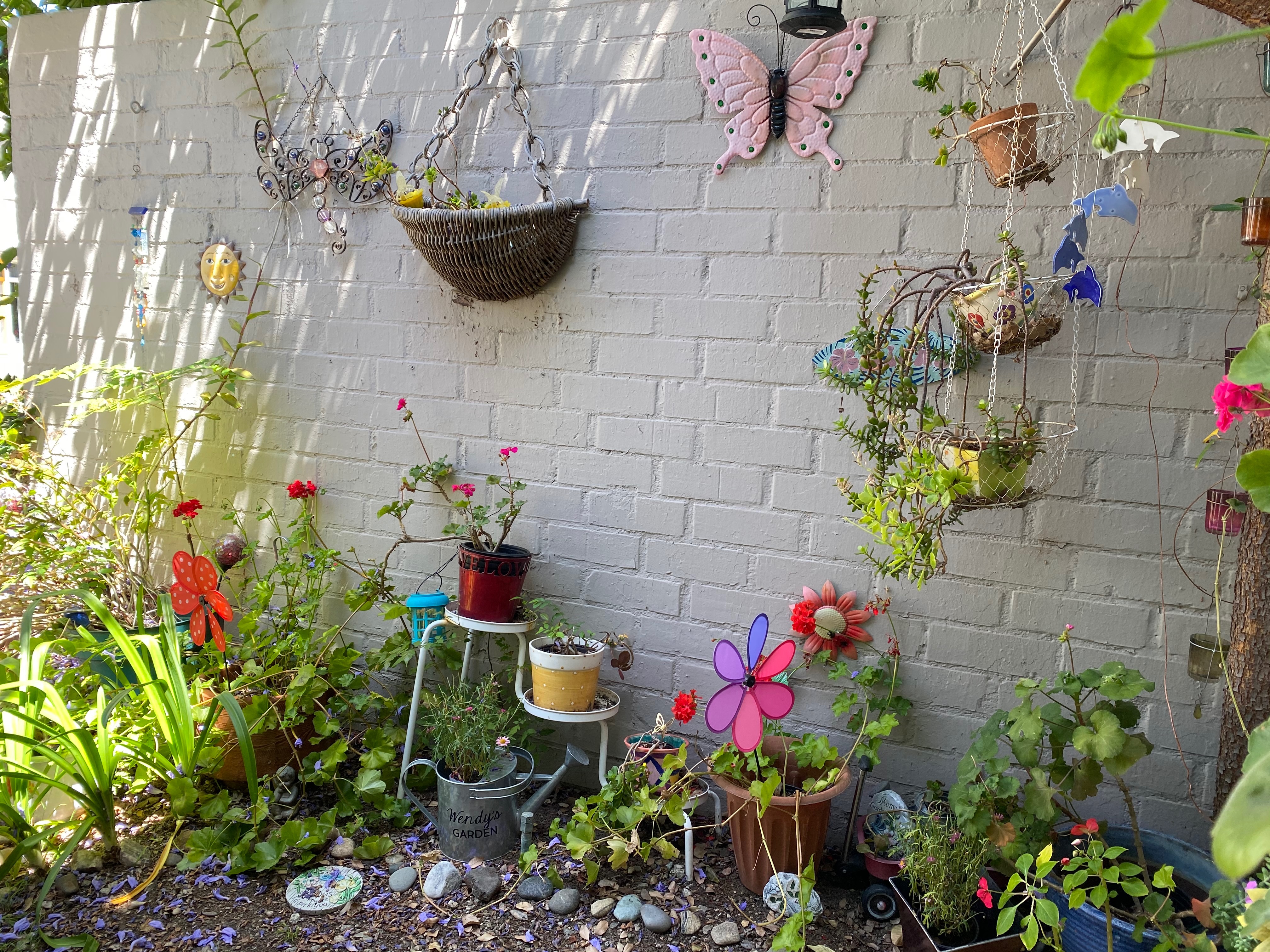
Sometimes we all need reminders. (I found this message on a sidewalk last month.)


It happened again. 

A doctor told me I’m weird.

I’ve written about this before. Back in the fall of 2018 and again in the summer of 2019.

The Mighty published my personal essay “The Hard Realties I’ve Faced After My Doctor Told Me, ‘You’re Just Weird.’

Now it’s winter 2020.

And apparently, from a medical standpoint, I’m still weird.

Here’s the thing. I’ve said it before, I’ve written it before, and I’ll write it again – I’m okay with being weird. I know a lot of people think it’s weird I like to eat leftover Thanksgiving turkey cold and dipped in ketchup. Maybe it’s weird that I always have to sleep with blankets covering me. Some might find the nine rings I wear to be weird.

Weird can be good. Weird can be unique. And special. And celebrated. It tells the world I don’t need to be like everyone else.

Except – when it comes to medicine.

I’m going through a rough time right now. Actually, for the last several months. My rheumatologist referred me to a neurologist in his office. I’ve had two different (unpleasant) tests/procedures. 

One test revealed “muscles abnormalities.” Abnormalities – just a fancy word for weird.

The other test supported the findings of the first test.

But when my rheumatologist walked into the exam room the other day for my follow-up, he told me he had met with the neurologist, reviewed the findings, and in his words, “She says you’re weird.”

“I’ve heard that before,” I replied.

But inside I didn’t say that. In my imagination, a whole other scenario played out. I got off the exam table and started screaming at everyone. 

“Don’t call me weird,” I hollered, enunciating each word.

“Tell me you don’t know what to do. Tell me you don’t know how to help me. But do not f – – -ing call me weird. It’s not me that’s weird. It’s this disease.”

I had images of me standing outside on Wilshire Boulevard, using a baseball bat to whack the street signs. 

The police officers would come. I would admit all my wrongdoing. Take full responsibility. And tell the officers that I was just overcome with emotion. I had been called weird once too many.

Because when my doctor told me I was weird, I knew we didn’t have any more answers. I knew I wasn’t going home with a new treatment plan. 

I live with pain. Each and every day. 

Pain isn’t weird. Pain is exhausting. Pain is depressing. Pain is want-to-pull-the-hair-out-of-my-head upsetting. But it’s not weird.

Why I Feel Guilty About My Autoimmune Disease

I live with an invisible disability. A chronic medical condition causing chronic pain. An autoimmune disease called Undifferentiated Connective Tissue Disease. My rheumatologist described it as having overlapping symptoms of lupus, myositis, and rheumatoid arthritis.

On any given day, at any given time, I feel exhausted. Depressed. Angry. Confused. Vulnerable. Fatigued. Pissed. Worn-down. Less-than. Weak.

The emotions fluctuate on my day – my activity, my energy, my pain. 

But there is one underlying emotion that’s always there. One emotion that serves as the shaky foundation for all the rest. 


That is the beginning of my most recently published personal essay. Click here to be-directed to The Mighty to read “What It’s Like To Feel Constant Guilt With an Invisible Disability.”

Helpful or Hurtful?

Working my muscles – playing with my son at the playground.

“How long has it been like this? When did it start?”

My physical therapist asked me that at last week’s session as she was massaging my left leg.

“Nine years ago,” I said.

She made a “tsk, tsk” sort-of-sound. 

“It feels like you’ve got 10 years’ worth of tightness in here,” she said. 

She rubbed some more. “How do you walk around like that?”

“What other choice do I have?” I replied.

For the past three weeks, I’ve been going to physical therapy. Many years ago, a doctor had referred me to physical therapy. And the physical therapist discharged me after just a few visits, telling me that PT wouldn’t help me.

This time, my rheumatologist referred me because of “new” pain I described to him. After an exam, he believed I had injured my IT band, and now, because we had a specific injury to treat, physical therapy might help.

My physical therapist seems to wholeheartedly believe she can help me, but I’m skeptical. 

At my first appointment, my physical therapist told me I have a lack of flexibility and mobility in my left leg. 

I knew that already.

At the same time, going to PT has also given me a certain sense of validation. Someone else recognized and acknowledged my pain; someone else was able to “see” what is largely unseen.

I came home from my first appointment with my knees taped up. Later that afternoon, my eleven-year-old son told me it looked cooler on basketball players than it did on me.

I left my third appointment with more pain than I had when I began the appointment. 

Meanwhile, I’ll keep with it. I’ll continue going, partly because my insurance covers most of it, but also because I don’t want to entirely give up. At least not this soon.

Though at this point in my life, I wonder if anything can really help me. 

Plus, physical therapy is just more work. With the therapist, I’m working my muscles in different, and sometimes uncomfortable, ways. 

At home, I have my “homework” to do – a series of exercises and stretches I do daily. 

And there are days, when I’m just tired of it all. Tired of the work involved – of staying on top of prescription refills, appointments, and medical insurance. 

And I’m tired of the pain. 

Here’s Why I Have a Complicated Relationship With My Legs

Do you have a body part, that only now, a bit later in life, you have learned to genuinely appreciate? A body part you now realize wasn’t nearly as “bad/flabby/unattractive/you-fill-in-the-adjective” as you used to think?

I have a complicated relationship with my legs, because sometimes they just seem like these “things” that are disconnected from the rest of me.  These limbs that aren’t behaving the way I want them to.  These appendages that are causing me nothing but trouble and pain.”

The paragraph above is taken from my recently published essay “Why My Rare Condition Puts Me in a Complicated Relationship With My Legs.” Click here to be redirected to The Mighty where you can read the essay in its entirety. 


Brave? Me?

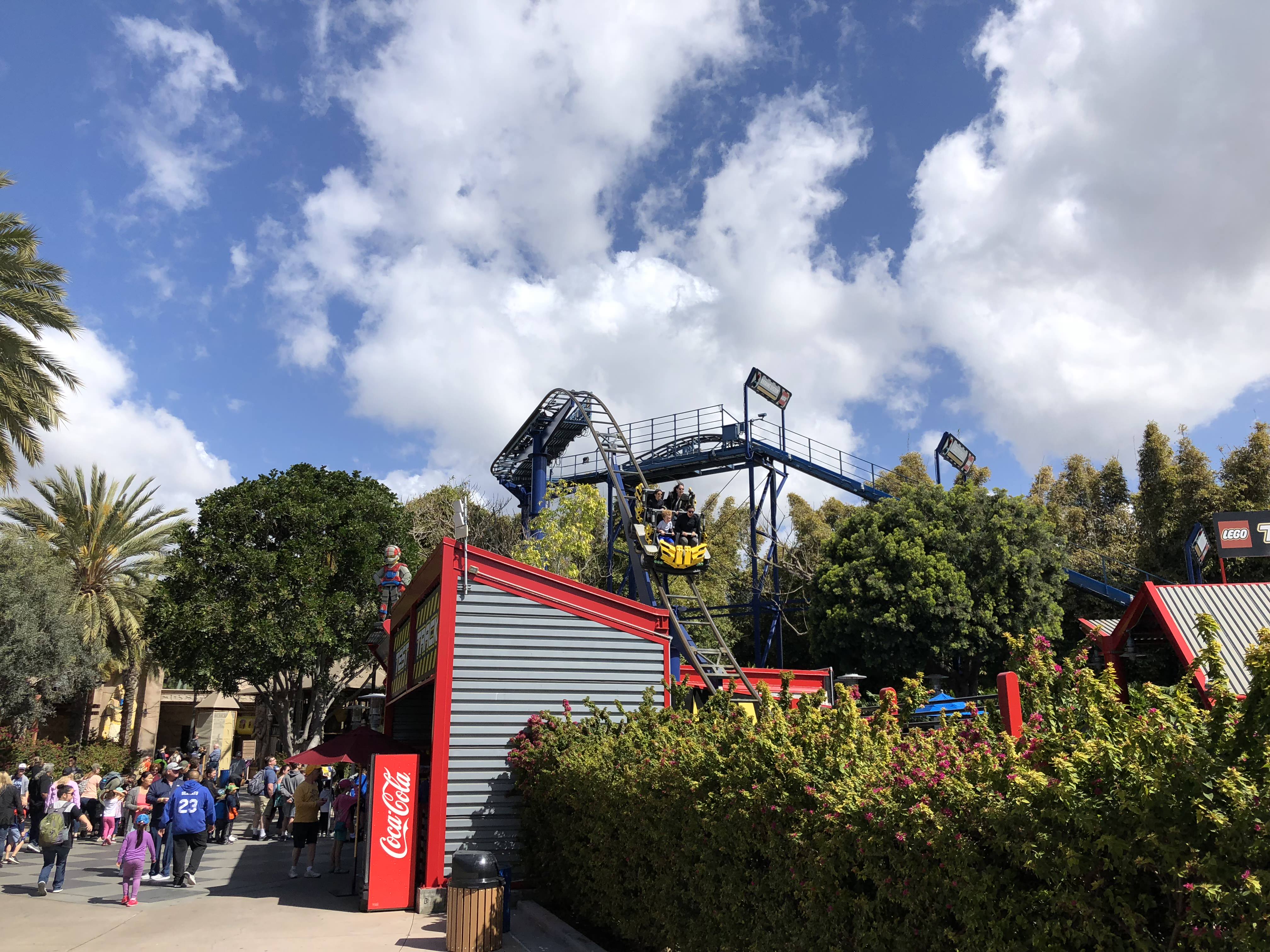
LEGOLAND, March 2018 – Ryan and I were brave, riding the roller coaster!

A neighbor recently called me “brave.”

It temporarily stopped me, because I don’t consider myself a particularly brave person. 

I have lived my entire life within the same ZIP code. 

My first passport expired before I earned a stamp in it. And since then, I’ve had one international trip. 

But my neighbor spoke of my bravery in a different context. 

We were speaking, in very general terms, of my autoimmune disease. 

We were speaking, in very general terms, about my pain level increasing as the day goes on.

Yet, she sees me outside on a regular basis, sweeping my front steps and my back patio. Watering my plants. Going for a walk with my son. 

I don’t regard those activities as “brave.” They are merely the activities that make up a part of my days.

Am I brave? I don’t know. 

So I did what I usually do when I’m not sure about something, when I need more information. I looked it up. I used my computer’s dictionary to read the definition of “brave” – “ready to face and endure danger or pain; showing courage.” 

Am I “ready to face and endure danger or pain”? 

I don’t have a choice. It’s just what I do.


Slow and Steady

Galápagos Tortoises at the San Diego Zoo


Each morning, my fourth and fifth grade students began the school day writing in their journals, answering a prompt such as “What animal are you most like? Why? 

Lately, I find myself thinking about that prompt and wondering. 

What animal am I most like? 

I don’t know. I can’t narrow it down to one animal that is most similar to the person I am on a daily basis. Maybe because I feel like a slightly different version of myself each day, throughout the day.

And so begins my most recently published personal essay, “My Slow and Steady Path Forward With an Invisible Disability.” Click here to be re-directed to The Mighty and read the rest of the essay. 

Readers, I’m curious.  What animal are you most like? Why?”

I encourage you to share your responses in the comments section.

10 Tips and Tricks for Parents With Invisible Disabilities

Don’t forget to take care of yourself and show yourself some love!


I’m the proud mother of an 11-year-old son. I’m quick to boast, and tell you about Ryan’s curiosity (he asked me what the nurse does with his blood after a blood test.  In all my years, I had never thought to wonder). I’m quick to brag about his kind heart (without prompting, the way Ryan holds Grandpa’s hand while walking through a museum, and slows his steps down to match Grandpa’s). I’ll smile and tell you how Ryan loves to dance and sing and is equally entertained by the Beatles, Stevie Wonder, Justin Timberlake, and Prince.

But I’m not as quick to talk about myself. I don’t immediately tell people about my invisible disability, the rare autoimmune disease coursing through my body (and on bad days, I think it’s cursing my body). It’s called Undifferentiated Connective Tissue Disease and has overlapping symptoms of lupus, myositis, and rheumatoid arthritis.

Those words begin an essay recently published at Mother’s Day Magazine.  I have been living with my autoimmune disease for nine years.  There are moments when I think I’ve figured things out, I’ve got a handle on things.  And then there are the moments when I feel so confused, so sad, so frightened, so much pain that I just want to sink to the floor and cry. 

But I can’t.  

Because I have an 11-year-old son who needs to be fed; who needs to be taken to school, the library, and the dentist; who needs me.

So, I have developed a few “tricks and tips” that help me get through the day.  Click here to read “10 Tips and Tricks for Moms Living with Invisible Disabilities.”  (Here’s one I’ll share right now – Eggo Waffles count as dinner.)


The Tale of My Healthy Breakup

One of my favorite places to walk – Cambria, California.

This week, I have a story to tell you about a failed relationship.

We “were set-up, kinda, sorta like a blind date. Actually, more like when your friend dates somebody and then realizes you should be dating them instead.”

It wasn’t an easy relationship.

“I didn’t want to give up on us.  I wanted to stick it out, because that’s what you do in a long-term relationship.  You don’t walk away the first time things are hard or unpleasant or uncomfortable.  You try to work on it and work it out.  You try again.”

But ultimately I had a “healthy breakup” – from my Fitbit.

For the whole story, click here to be re-directed to The Mighty and read my recently published personal essay “Why I Broke Up With My Fitbit.


Stop Calling Me ‘Weird’

Now that’s a weird sight.

What does “weird” mean to you?

I think it’s weird when I walk into Trader Joe’s and find there are no flowers for sale.

I think it’s weird when I’m scanning through the radio stations in the car and hear the same song playing on two different stations at the same time.

You may think it’s weird that I even listen to the radio.

Back in September of 2018, I wrote a blog post after my rheumatologist called me weird.

This week, it’s a blog post about a different doctor but the same adjective.

I met with a doctor specializing in chronic pain management.  I didn’t go into the appointment with very high hopes.  After all the doctors I’ve already met with and all the tests I’ve already had, what could this doctor have to tell me?

Well, she told me that my pain doesn’t follow predictable patterns.

I knew that.

She told me she’s not quite certain what’s going on in my body.

No one really is.

She hypothesized and starting thinking out loud about different tests.  I vetoed the nerve conduction test and electromyography.  I’ve done it twice, and all I can say is it felt like a form of torture.

I stood on my toes.  

I stood back on my heels.

I walked down the hallway.  

I crossed my legs.

The doctor reviewed the results of previous MRIs.

And her conclusion?

I have “weird pain.”

I didn’t agree to a new drug.  I didn’t agree to a test that would involve inserting a needle into my spine.

And I didn’t let the tears flow in that exam room.  

I thanked the doctor for her time, and on the drive home, I cried.

I don’t know why doctors think it’s okay to tell a patient they are weird or their pain is weird.  

I’d like to suggest different adjectives:  Abnormal. Uncommon.  Atypical.  Irregular.

At least those adjectives sound more professional, more clinical in nature.

You can click here to read my personal essay “The Hard Realities I’ve Faced After My Doctor Told Me, ‘You’re Just Weird’.”


How Much Is Too Much?

Ryan and I at The Huntington’s Lily Ponds


9 years.  

Next week, marks the ninth anniversary of my life with an autoimmune disease.

Although at the time, we didn’t realize we were dealing with a permanent situation.  My left calf was swollen.  We thought a visit to the emergency room would make it somehow become un-swollen, and that would be that.

How wrong we were.

9 years later, a lot has changed.  I’m no longer a classroom teacher.

But the part that hasn’t changed is my desire to be an active, engaged, loving mother.  For me, that means I make chocolate chip cookies for dessert a few times a week.  (Disclaimer – they’re the Pillsbury, pull-apart-and-bake-kind.)  And for me, that means every summer is full of what a friend of mine refers to as “field trips.”

My son and I (sometimes with my husband, sometimes with my dad, and oftentimes just the two of us), venture around the city exploring different venues and museums.

My son graduated from elementary school three weeks ago, and since then we have been to:  the GRAMMY Museum, the Getty Center, the Aquarium of the Pacific, Discovery Cube Los Angeles, miniature golfing, the library, and the beach (twice).  

The one that did me in, that almost brought me to tears (of pain and sadness and frustration) was our visit to The Huntington Library, Art Collections, and Botanical Gardens. 

We hadn’t been there in many years.  So many years, in fact, that Ryan had no memory of having been there before.  My husband, son, and I explored for about two-and-a-half hours.  That’s all my legs could do, and that’s all Ryan could do before his energy decreased and his appetite increased, and he was ready to leave. 

I loved being there.  Marveling at one of my favorite paintings, Pinkie, enjoying the colorful sight of the rose garden, thinking of my pen pal while in the Japanese Garden, smiling as we stood beside the lily ponds.  

But we didn’t see all the Huntington has to offer.  

We couldn’t.

I couldn’t walk any more.  The pain was intense.  My knees felt as if someone had whacked them with hammers.  My legs felt weighted down.  My shoes felt like they had magnets attaching me to the ground, making it hard for me to lift my foot and take a step.  

And yet, I had wanted to go there.

I had wanted our family to have this special day’s experience.

But I felt awful, until I went to sleep that night.

Was I glad I went?  Yes.  

Do I want to go back?  Yes and no.  

How much pain do I put myself in, how much do I push myself to see, to smell, to touch, to hear all that I wish to experience even when I know that it is physically difficult for me to do?

Nine years, and I still don’t have the answer to that question.